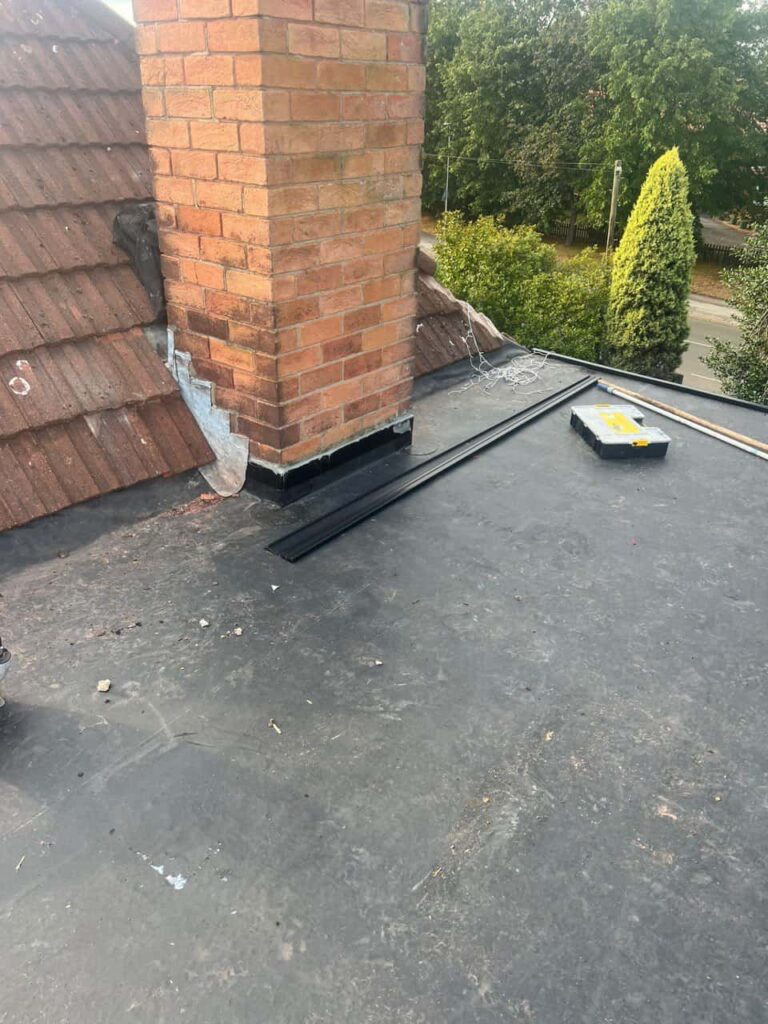
Missing or broken tiles are obvious causes of water ingress, but they are not the only reasons a roof can leak. A tiled roof is a complete system containing underlay, battens, fixings, flashing, valleys and weatherproof junctions. Water can enter when any of these components deteriorates, even if the visible tiles appear correctly positioned.
For homeowners in Chatteris, Cambridgeshire, identifying the true entry point is essential. Replacing sound tiles will not resolve a defect hidden beneath the covering or located around another part of the roof.
Common Causes of Roof Leaks When the Tiles Look Intact
Water does not always travel directly downwards after entering a roof. It can follow underlay, battens and timbers before reaching the ceiling, so the internal damp patch may be some distance from the external defect.
Cracked or Deteriorated Underlay
Roofing underlay provides secondary protection beneath tiles. If wind-driven rain passes through the small gaps between them, the underlay should direct the moisture towards the eaves.
Age, movement and prolonged exposure can cause this material to tear, sag or become brittle. Water may then pass through a damaged section despite every tile remaining in place.
Failed Lead Flashing
Lead flashing seals junctions where the roof meets chimneys, walls and other raised features. Small cracks, lifted edges or deteriorated joints can allow water to enter behind the tiles.
Flashing defects are not always easy to see from ground level. Because the tiles themselves remain intact, the leak may initially appear to have no obvious cause.
Problems Around Roof Valleys
Valleys sit where two roof slopes meet and carry a concentrated flow of rainwater. Cracks in the valley lining, open joints or accumulated debris can prevent water from draining correctly.
Once the valley is overwhelmed or damaged, moisture may spread beneath the surrounding tiles. The visible covering can therefore look complete while the hidden drainage channel is leaking.
Defects Around Chimneys
Chimneys introduce several vulnerable junctions into a roof. Water may enter through damaged flashing, cracked mortar, worn pointing or deteriorated components around the chimney base.
An internal stain near a chimney does not automatically identify which element has failed. The chimney and the surrounding roofing materials need to be assessed together.
Loose Ridge or Hip Components
Ridge tiles cover the highest junction of the roof, while hip tiles protect the external angles between slopes. Even when the main roof tiles are secure, weakened mortar or fixings around these components can permit movement and water ingress.
Small openings may admit rain during particular wind directions, making the leak appear only in certain weather conditions.
Damaged Tile Fixing Holes or Hidden Cracks
A tile can remain in position while containing a fine crack that is difficult to see from below. Water may also enter around damaged fixing holes or through worn overlaps.
These subtle defects can be concealed by neighbouring tiles. A close inspection may be required to find them without unnecessarily disturbing a large section of the covering.
Abutment and Roof Penetration Defects
Vent pipes, roof windows and other penetrations must be sealed where they pass through the roof. Their surrounding collars, flashing and weatherproof joints may deteriorate over time.
Similar problems can occur where a roof slope meets a wall. If these junctions fail, rain can pass behind the tiles even though the main covering remains undisturbed.
Blocked Roof Drainage
Blocked gutters or outlets can cause rainwater to back up beneath the lower edge of the roof. Persistent overflow may also saturate materials around the eaves.
The resulting dampness can affect underlay, timber and internal surfaces. In this situation, the leak originates from ineffective drainage rather than displaced tiles.
Wind-Driven Rain
Rain does not always fall vertically. Strong winds can force moisture beneath tile overlaps or into small weaknesses around roof junctions.
A roof may therefore leak only when rain approaches from a particular direction. This pattern is useful information because it can help a roofer focus on the most exposed sections and details.
Condensation Can Resemble a Roof Leak
Moisture inside the roof space is not always caused by rain. Condensation can form when warm, humid indoor air meets cold roofing surfaces.
This may dampen insulation, timbers or ceilings and create marks that resemble water ingress. An accurate assessment should distinguish between condensation and an external defect before repairs are recommended.
Previous Repairs May Not Have Addressed the Source
If a leak returns after tiles have been replaced, the original work may have treated only the most visible symptom. The actual source could be damaged underlay, failed flashing or a defect further up the roof slope.
Water may also enter through more than one location. A wider inspection is often needed when the same damp patch continues to return.
Information That Can Help Identify the Cause
When arranging an inspection, note:
- where the dampness appears indoors
- whether it occurs during heavy or prolonged rain
- whether wind direction affects the leak
- how quickly the mark develops
- whether previous repairs have been completed
- if the problem affects more than one room
These details do not replace a roof inspection, but they can help reveal a pattern.
Why Professional Leak Detection Matters
The visible location of a leak rarely tells the whole story. A professional roofer examines the tiles as well as the underlay, valleys, flashing, drainage and roof junctions.
Finding the entry point before carrying out repairs helps avoid unnecessary tile replacement and reduces the likelihood of the leak returning.
Conclusion
A roof can leak even when all its tiles appear to be in place. Damaged underlay, failed flashing, defective valleys, worn chimney junctions and blocked drainage are all possible causes. Condensation can also produce similar internal symptoms.
If your roof in Chatteris, Cambridgeshire is leaking without obvious tile damage, Chatteris Roofing Repairs can inspect the wider roofing system and identify the likely source. Contact the team to arrange a professional assessment and suitable repair.
Call us on: 01354 701 289
Click here to find out more about Chatteris Roofing Repairs
Click here to complete our contact form and see how we can help with your roofing needs.