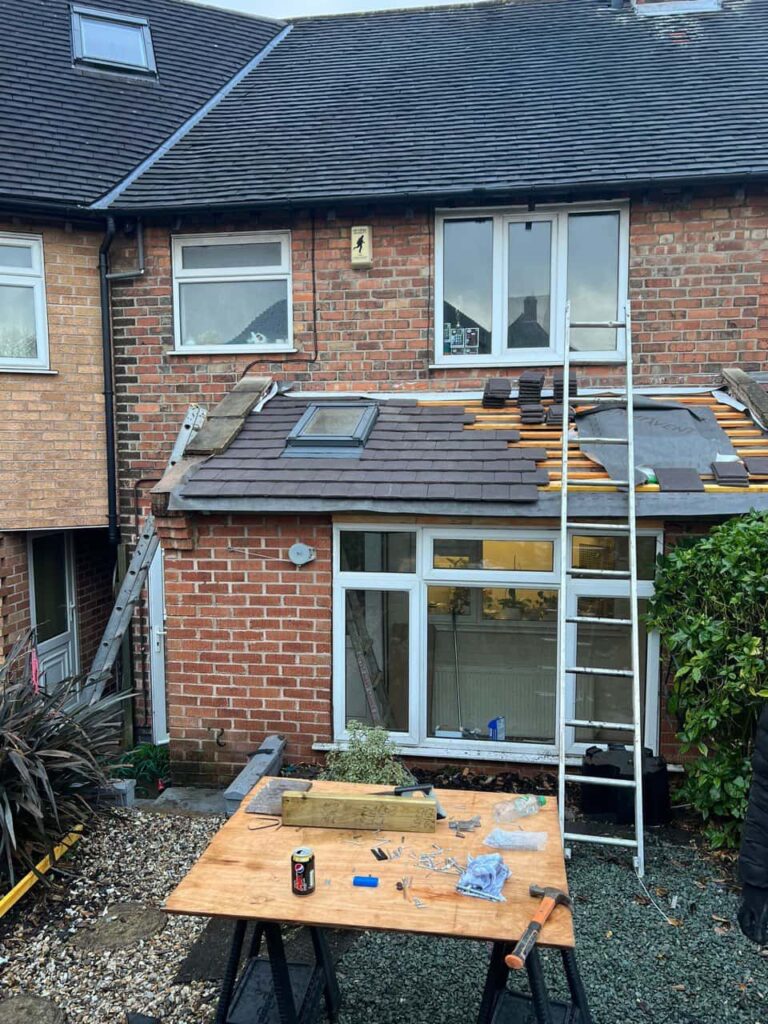
Finding several defects during a roof inspection can make it difficult to know which problems need attention first. Loose tiles, damaged flashing, blocked gutters and signs of water ingress can all affect a roof, but they do not necessarily carry the same level of urgency. Addressing the right issues in the correct order helps prevent further deterioration and keeps the roof performing as it should.
For homeowners in Chatteris, Cambridgeshire, the best approach is to assess each defect according to its severity, the risk of water entering the property and the potential for one problem to cause further damage. Chatteris Roofing Repairs can help identify the main concerns and recommend a sensible order for carrying out the necessary work.
Which Roofing Defects Should Be Addressed First?
1. Active Roof Leaks and Water Ingress
Water entering the property should usually be treated as a priority. Even a small leak can damage ceilings, plasterwork, insulation and timber if it continues unchecked. Water may also travel along roof structures before appearing indoors, meaning the visible damp patch is not always directly beneath the defect.
The first step is to identify where the water is entering and determine whether damaged tiles, failed flashing, deteriorated roof coverings or another fault is responsible. Temporary measures may be needed to limit further water ingress while a lasting repair is arranged.
If a leak appears during heavy rain, avoid climbing onto the roof yourself. A professional roofer can assess the problem safely and establish the most appropriate repair.
2. Loose, Missing or Broken Roof Tiles
Missing, cracked or displaced tiles can expose the roof beneath to rain and wind. The urgency depends on the extent of the damage, the location of the affected tiles and whether the underlying materials have already been exposed.
A single damaged tile may require a straightforward repair, while widespread movement could indicate a more extensive problem with the roof covering or its supporting components.
These defects should be assessed promptly, particularly where further bad weather could worsen the damage. Repairing them early can help prevent a relatively limited issue from developing into a leak or affecting additional parts of the roof.
3. Damaged Flashing and Roof Junctions
Flashing helps seal vulnerable points where the roof meets a chimney, wall or other structure. If the flashing has lifted, cracked or deteriorated, water can enter through gaps that may be difficult to spot from the ground.
These defects can be particularly deceptive because the roof covering itself may appear to be in reasonable condition. Damp patches near chimney breasts or walls close to roof junctions may provide clues that the flashing needs attention.
Where flashing has failed, the repair should be prioritised according to the likelihood of water penetration and any signs of existing internal damage.
4. Blocked or Damaged Gutters
Gutters and downpipes direct rainwater away from the roof and property. When they become blocked with leaves and debris, water may overflow and run down external walls or collect around vulnerable roof edges.
Although a blocked gutter may not be as urgent as an active roof leak, it should not be ignored. Persistent overflow can contribute to damp problems and may worsen defects around the roofline.
If gutters are sagging, leaking at joints or pulling away from their fixings, these issues should also be assessed. The priority will depend on how effectively the drainage system is working and whether water is already affecting the building.
5. Deteriorating Roof Structure
Problems involving the roof structure require careful attention. Sagging rooflines, visibly distorted timbers, significant cracking or signs of extensive decay may indicate that the issue goes beyond the outer covering.
Structural defects can have serious implications for the stability of the roof, so they should be assessed promptly by a suitably qualified professional. If there is visible movement or concern about immediate safety, keep people away from the affected area until it has been assessed.
In these circumstances, cosmetic repairs should not take precedence over understanding and addressing the underlying structural problem.
How Can You Decide the Correct Order for Roofing Repairs?
Assess the Risk, Not Just the Appearance
The most noticeable defect is not always the most urgent. A visibly damaged tile may be less serious than a small gap in flashing that is allowing water into the roof structure.
Repairs should be prioritised by considering whether water is entering the property, whether the defect could worsen quickly and whether it affects the roof’s stability. The condition of nearby materials should also be checked to establish whether several defects are connected.
Identify Related Problems
Roofing defects can develop together. For example, damaged tiles may allow water to reach the roof timbers, while failing gutters can contribute to deterioration around the eaves.
Understanding these connections helps ensure that repairs address the underlying causes rather than just the visible symptoms. It can also help determine whether several related tasks should be completed during the same period of roofing work.
Plan Preventative Work After Urgent Repairs
Once immediate risks have been addressed, attention can turn to less urgent maintenance. This may include replacing deteriorated components, improving drainage or repairing areas showing early signs of wear.
Dealing with these issues before they develop further can help maintain the roof’s condition and reduce the likelihood of additional defects appearing.
How Chatteris Roofing Repairs Can Help
When several roofing defects are present, a professional assessment helps establish which problems need immediate attention and which can be scheduled for later. Chatteris Roofing Repairs can inspect the affected areas, explain the findings and recommend a practical sequence of repairs based on the roof’s condition.
This approach helps ensure that important issues are not overlooked and that repair work addresses the problems most likely to affect the property.
Conclusion
When multiple roofing defects are found, prioritise active leaks, exposed roof coverings and problems that could affect structural safety. Damaged flashing, drainage faults and signs of deterioration should then be assessed according to their severity and potential to cause further damage.
If your roof has several issues that need attention, Chatteris Roofing Repairs can help you understand which repairs should come first. Contact the team to arrange an assessment and plan the work needed to keep your roof in good condition.
Call us on: 01354 701 289
Click here to find out more about Chatteris Roofing Repairs
Click here to complete our contact form and see how we can help with your roofing needs.